
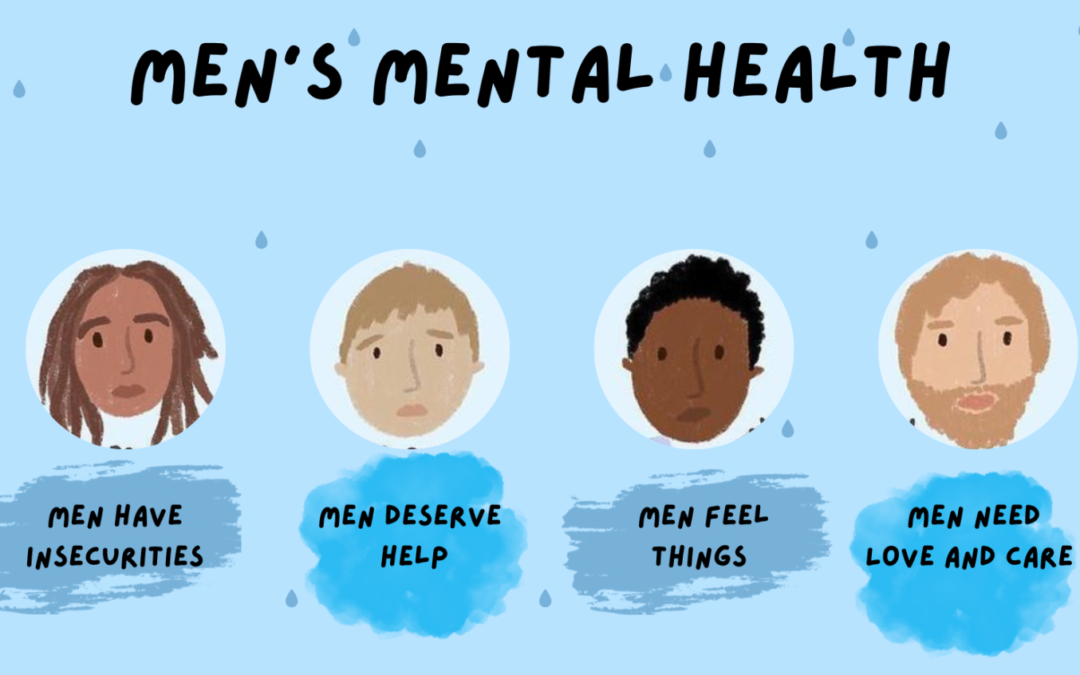
Men are often encouraged to speak up about their mental health. But what happens when they do? And what if they don’t know where to begin?
Every November, Movember brings men’s mental health into the spotlight, encouraging conversations about emotional wellbeing, suicide prevention and the importance of seeking support. International Men’s Day, recognised on 19 November, offers another opportunity to reflect on the challenges men face and how we can better support their mental health.
These awareness campaigns matter. They challenge stigma, encourage connection and remind men that their wellbeing deserves attention.
But awareness is only the beginning.
For many men, the challenge isn’t necessarily recognising that something feels wrong. It’s knowing what to do next, who to turn to, and whether asking for help will actually make a difference.
At Mindful Synergi, we believe meaningful mental health support goes beyond encouraging people to talk. It means creating safe, compassionate spaces where men can explore what they’re experiencing, without judgement, pressure or the expectation that they need to have all the answers.
The Weight of Being “Fine”
For generations, many men have grown up with messages about what it means to be strong.
Be independent. Stay in control. Push through. Don’t show weakness.
While attitudes towards men’s mental health are changing, these deeply ingrained expectations can still influence how men understand, express and respond to emotional distress.
For some, vulnerability may feel unfamiliar or uncomfortable. For others, acknowledging emotional pain can bring feelings of shame, failure or fear of being judged.
And sometimes, distress doesn’t look like sadness.
It might look like:
Becoming increasingly withdrawn from family, friends or relationships.
Feeling irritable, frustrated or angry over seemingly small things.
Working longer hours or constantly keeping busy to avoid difficult feelings.
Experiencing persistent exhaustion, poor sleep or physical tension.
Relying on alcohol, substances or other behaviours to manage uncomfortable emotions.
Feeling disconnected, emotionally numb or unable to enjoy things that once mattered.
These experiences aren’t signs of weakness. They may be signals that someone has been carrying more than they have the capacity to manage alone.
For men who have experienced trauma, chronic stress or difficult relationships, these patterns may also reflect protective responses developed over time.
What looks like emotional distance may once have been a way to stay safe. What appears to be anger may be masking fear, grief or vulnerability that has never had a safe place to be expressed.
Understanding these responses with compassion, rather than judgement, can be an important part of healing.
Why “Just Talk About It” Isn’t Always Enough
One of the most common messages during men’s mental health awareness campaigns is simple: It’s okay to talk.
And it is.
But for someone who has spent much of their life learning to suppress emotions, talking may not feel simple at all.
They may struggle to identify what they’re feeling, find the words to explain it, or trust that another person will understand.
Some men may have previously attempted to open up, only to feel dismissed, criticised or misunderstood. Others may worry that expressing vulnerability will change how their partner, family, friends or colleagues perceive them.
This is why effective mental health support must involve more than encouraging disclosure.
It begins with creating an environment where a person feels emotionally safe enough to be themselves.
A trauma-specialised approach recognises that emotional expression cannot be forced. Trust develops through consistency, respect and genuine human connection.
For some men, the first therapeutic conversation may not involve discussing painful memories or deeply personal experiences. It may simply involve talking about stress at work, relationship difficulties, sleep problems or a persistent feeling that something isn’t quite right.
And that’s enough.
There is no requirement to share everything at once. Therapy can begin exactly where someone is.
What Does Mental Health Support Actually Look Like?
Seeking professional support doesn’t mean something is fundamentally wrong with you. Nor does it mean you have failed to manage your own life.
It means recognising that your experiences, relationships and emotional wellbeing are worth understanding.
At Mindful Synergi, we recognise that mental health is influenced by more than thoughts and emotions alone. Our integrative, biopsychosocial approach considers the relationship between psychological experiences, physical wellbeing, nervous system responses, relationships and the wider circumstances of a person’s life.
Depending on individual needs, support may involve:
Psychotherapy and counselling
A confidential, supportive space to explore emotional difficulties, stress, anxiety, depression, relationship patterns, grief, trauma or feelings of disconnection.
Therapy can help men develop a deeper understanding of themselves, recognise unhelpful patterns and build healthier ways of responding to life’s challenges.
Specialist-trauma therapy
For men who have experienced childhood adversity, trauma, loss or prolonged stress, therapy may involve understanding how past experiences continue to influence their emotions, relationships and sense of safety.
Approaches such as EMDR and psychotherapy can support trauma recovery when clinically appropriate, without requiring someone to repeatedly recount every detail of their experiences.
Couples and family therapy
Sometimes emotional distress is most visible within relationships.
Difficulties communicating, withdrawing during conflict, feeling misunderstood or struggling with emotional intimacy can place considerable strain on both individuals and families.
Couples and family therapy can provide a supportive environment to explore these patterns and develop more constructive ways of connecting.
Body-based and integrative support
Stress and emotional distress can also be experienced physically through muscle tension, disrupted sleep, fatigue, restlessness or a persistent sense of being on edge.
Complementary approaches, including massage therapy, yoga therapy and body-based practices, may help support relaxation, body awareness and overall wellbeing alongside appropriate psychological care.
The most effective support is not necessarily about finding one perfect treatment. It is about understanding the individual and identifying what feels appropriate, accessible and sustainable for them.
Taking the First Step: Where Do You Begin?
For a man who has never attended therapy, the idea of reaching out can feel overwhelming.
There may be uncertainty about what to say, whether the problem is serious enough, or what actually happens during an appointment.
The first step doesn’t need to be complicated.
1. Start by acknowledging that something doesn’t feel right.
You don’t need a diagnosis or a crisis to seek support. Feeling persistently overwhelmed, disconnected, anxious, irritable or exhausted is reason enough to explore what may be happening.
2. Speak with someone you trust.
This might be a partner, friend, family member or GP. You don’t need to explain everything. Even saying, “I haven’t been feeling like myself lately, and I think I might need some support,” can open the door to a meaningful conversation.
3. Explore professional support options.
A GP can help assess physical and mental health concerns and discuss suitable referral pathways. You can also contact us at Mindful Synergi to discuss your options.
4. Find a practitioner who feels like the right fit.
The therapeutic relationship matters. Feeling heard, respected and understood can make a significant difference to someone’s willingness to engage in the process.
It’s okay to ask questions about a practitioner’s experience, therapeutic approach and what to expect before booking.
5. Give yourself permission to begin slowly.
You don’t have to tell your whole story in the first session. You don’t have to know exactly what you need. And you don’t have to arrive with a clear explanation of how you’re feeling.
A good therapeutic process allows space for understanding to develop over time.
Supporting the Men in Our Lives
Men’s mental health is not solely the responsibility of men.
Partners, families, friends, workplaces and communities all play a role in creating environments where emotional wellbeing is taken seriously.
Sometimes, the most meaningful support comes from small, consistent acts of connection.
Checking in without demanding an explanation. Listening without immediately trying to fix the problem. Noticing changes in behaviour. Offering practical help to find a suitable professional. Making it clear that seeking support will not change someone’s worth or how they are perceived.
Rather than asking only, “Are you okay?”, we might also ask:
🌿 “What has life been feeling like for you lately?”
🌿 “Is there anything you’ve been carrying on your own?”
🌿 “Would it help if we looked at some support options together?”
These conversations don’t need to be perfect.
What matters is approaching them with curiosity, compassion and a willingness to listen.
And importantly, supporting someone doesn’t mean taking responsibility for fixing everything. Encouraging professional care, while maintaining healthy boundaries, can be an important part of offering sustainable support.
Moving Beyond Movember
Movember provides an important reminder that men’s mental health deserves attention.
But emotional wellbeing isn’t something that can be addressed through one campaign, one conversation or one month of awareness.
Meaningful change happens when we make support accessible, challenge the belief that vulnerability is weakness, and recognise that mental health care is as important as physical health care.
It happens when men feel able to seek help before reaching a crisis point.
When emotional distress is met with understanding rather than judgement.
And when strength is no longer defined solely by how much someone can endure alone.
At Mindful Synergi, we believe healing begins through safe, meaningful connection.
Whether someone is navigating anxiety, trauma, relationship difficulties, emotional exhaustion or simply a sense of feeling lost, there is space to explore those experiences and find a way forward.
You don’t need to be at breaking point to deserve support. And you don’t need to have the right words to begin.
Sometimes, the first step towards feeling like yourself again is simply allowing someone to walk alongside you.
Support Is Available
Mindful Synergi is a specialised-trauma psychotherapy and integrative health practice based in Erina on the Central Coast, NSW.
Our multidisciplinary team offers psychotherapy, counselling, psychology, EMDR therapy, couples and family therapy, and complementary wellbeing services.
We understand that reaching out can feel unfamiliar, particularly if you’ve spent years managing things on your own.
Our approach is grounded in compassion, collaboration and respect for each person’s individual experience.
If you or someone you care about is ready to explore support, we invite you to connect with Mindful Synergi and take that first step at your own pace.
For immediate mental health support in Australia, contact Lifeline on 13 11 14 or MensLine Australia on 1300 78 99 78. If someone is in immediate danger, call 000.