
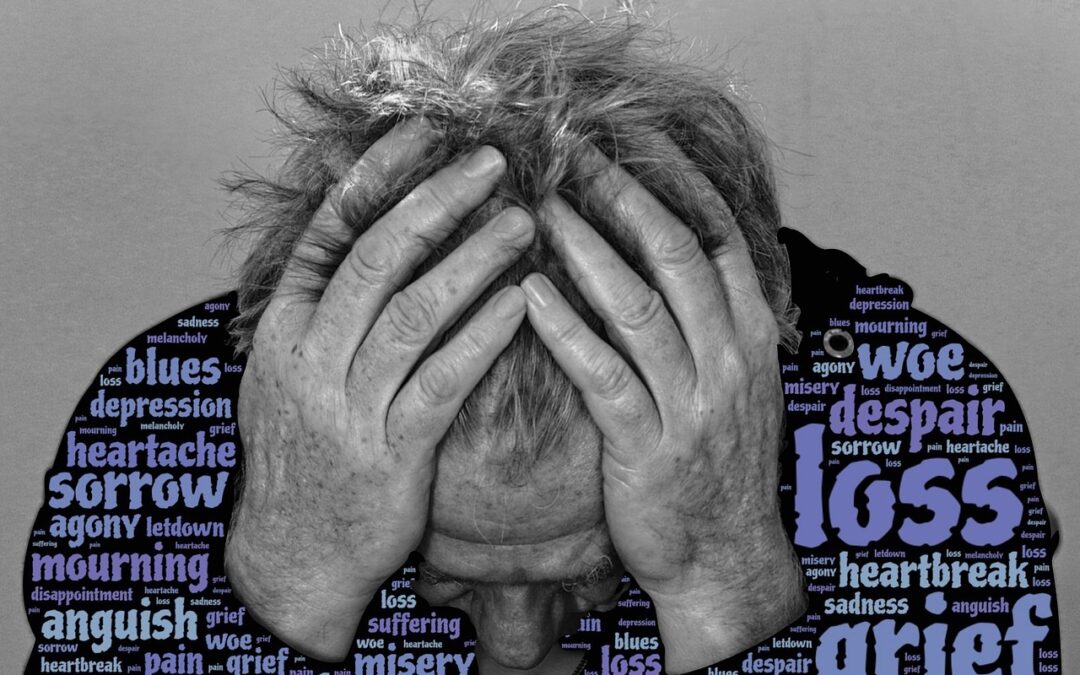
Grief is one of the few experiences every human being will encounter.
And yet when it arrives, many people feel utterly unprepared for it.
Perhaps because society often speaks about grief in strangely tidy ways.
As though healing occurs neatly.
As though pain follows predictable stages.
As though people eventually “move on” and return to normal.
Real grief rarely behaves so politely.
🌿 Sometimes grief arrives like a tidal wave.
🌿 Sometimes it appears quietly months later in the cereal aisle at the supermarket.
🌿 Sometimes it shows up in anger.
🌿 Sometimes exhaustion.
🌿 Sometimes numbness.
🌿 Sometimes laughter is followed immediately by guilt.
Grief is not linear. It is deeply human.
Grief Is Bigger Than Death
When people hear the word grief, they often think exclusively about bereavement. But grief can emerge through many forms of loss:
- Relationship breakdowns
- Divorce
- Chronic illness
- Miscarriage
- Infertility
- Loss of identity
- Childhood experiences never received
- Career changes
- Estrangement
- Major life transitions
Sometimes people grieve versions of themselves they no longer recognise. Sometimes they grieve futures they imagined would happen.
Why Grief Feels So Physically Heavy
Grief is not only emotional. It affects the entire nervous system.
People experiencing grief may notice:
- Fatigue
- Brain fog
- Appetite changes
- Sleep disruption
- Anxiety
- Memory difficulties
- Physical heaviness
- Emotional numbness
The body experiences grief as stress.
Many grieving individuals become frustrated with themselves for not “coping properly”.
But grief is not a performance. There is no correct pace.
The Problem With “Moving On”
One of the most painful experiences grieving people encounter is feeling pressured to recover quickly.
After a certain amount of time, the world often expects normality.
People may hear:
🌿 “Everything happens for a reason.”
🌿 “At least they’re in a better place.”
🌿 “You need to stay strong.”
🌿 “You should be over this by now.”
These comments are usually well-intentioned. But they can unintentionally minimise the depth of loss.
Grief does not disappear because enough time has passed. Instead, people slowly learn how to carry it differently.
Continuing Bonds
Older grief theories often focused on detachment. More modern understandings recognise that many people maintain ongoing emotional connections with those they’ve lost.
This might involve:
- Thinking about them daily
- Speaking to them internally
- Continuing traditions
- Keeping meaningful items
- Sharing stories
- Feeling their emotional presence
Healing does not require forgetting.
Supporting Someone Who Is Grieving
Many people panic around grief because they fear saying the wrong thing. In truth, presence often matters more than perfection.
Helpful support may sound like:
🌿 “I’m here.”
🌿 “You don’t need to go through this alone.”
🌿 “I’m thinking of you.”
🌿 “That sounds incredibly painful.”
People rarely need fixing in grief.
They need compassion.
Grief changes people.
Not because they are weak. But because love leaves an imprint.
If you are grieving something or someone right now, please know:
There is nothing wrong with you for still hurting.
Healing is not forgetting. Healing is slowly learning how to live alongside loss while allowing moments of meaning, connection, and life to exist again too.
And sometimes, in the middle of grief, surviving the day is already enough.