
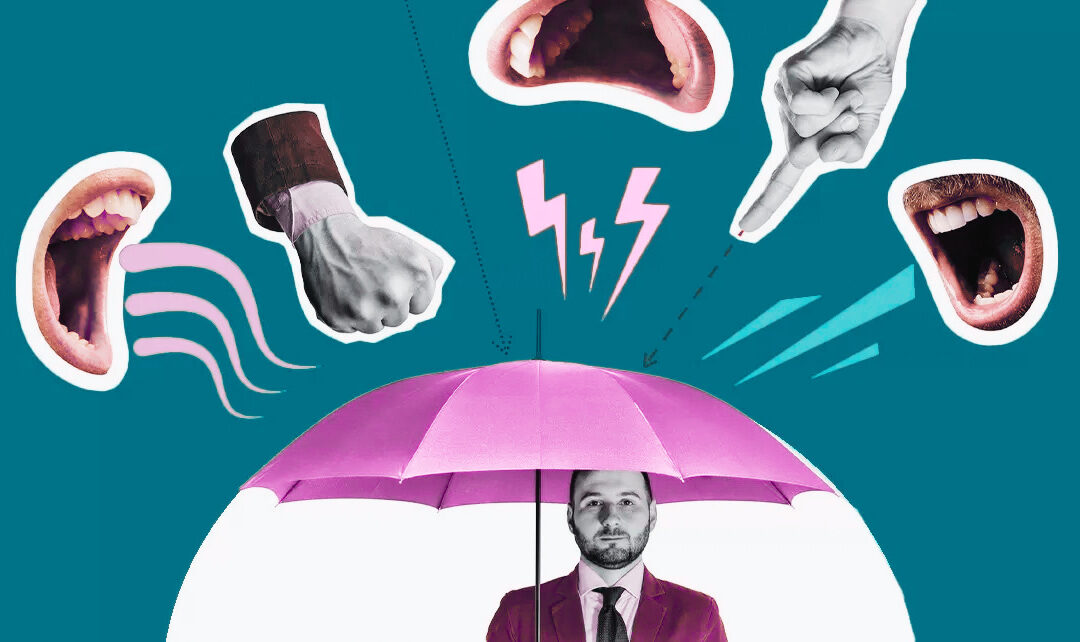
The Importance of a Mentally Safe Workplace
In today’s fast-paced, high-pressure world, workplaces are no longer just environments where tasks are completed; they are ecosystems that profoundly shape wellbeing, identity, and performance. A mentally safe workplace is not a luxury. It is foundational to sustainable success, staff retention, and human flourishing.
What Is Psychological Safety?
The concept of psychological safety was popularised by Amy Edmondson, who defines it as a shared belief that a team is safe for interpersonal risk-taking. In simple terms, it means employees feel safe to:
- Speak up without fear of humiliation
- Admit mistakes without being shamed
- Ask for help without being judged
- Share ideas without being dismissed
- Be authentic without hiding parts of themselves
Psychological safety is not about avoiding accountability. It is about removing fear as a motivator and replacing it with trust.
Why Mental Safety at Work Matters
1. It Protects Mental Health
When people operate in environments where they feel constantly scrutinised, criticised, or unsupported, the nervous system remains in a state of hypervigilance. Chronic stress activates fight, flight, freeze, or fawn responses, which over time contribute to burnout, anxiety, depression, and disengagement.
A mentally safe workplace reduces toxic stress and allows employees to regulate, reflect, and respond rather than react.
2. It Drives Performance and Innovation
Research, including findings from Google’s Project Aristotle, found that psychological safety was the number one predictor of high-performing teams.
When people feel safe:
- They take creative risks
- They collaborate more openly
- They problem-solve effectively
- They recover from mistakes faster
Innovation cannot thrive in fear-based environments.
3. It Reduces Burnout and Turnover
Burnout is not simply about workload; it is often about lack of control, recognition, and relational safety. Environments that dismiss concerns, reward overwork, or tolerate bullying accelerate emotional exhaustion.
Mentally safe workplaces:
- Encourage reasonable boundaries
- Promote open communication
- Support help-seeking
- Value rest and recovery
This not only protects staff wellbeing but also protects organisational sustainability.
4. It Encourages Accountability – Not Avoidance
Contrary to common misconceptions, psychological safety does not lower standards. It raises them.
When employees feel safe:
- They are more likely to report errors early
- They take ownership of growth areas
- They engage in constructive feedback
- They participate in solution-focused discussions
Fear suppresses information. Safety reveals it.
Signs of a Mentally Safe Workplace
- Leaders model vulnerability and accountability
- Mistakes are treated as learning opportunities
- Feedback flows in all directions
- Inclusion is actively practised
- Workload expectations are realistic
- Wellbeing is discussed openly
Mental safety is not a poster on the wall. It is reflected in everyday interactions.
The Nervous System at Work
Workplaces impact nervous system states daily. Environments that are unpredictable, critical, or chaotic trigger survival responses. Conversely, environments that are consistent, respectful, and transparent support regulation.
When employees feel regulated:
- They think more clearly
- They communicate more effectively
- They manage conflict better
- They sustain energy longer
Regulated teams are resilient teams.
Creating a Mentally Safe Culture
Building psychological safety requires intentional leadership. Practical steps include:
- Normalising conversations about mental health
- Training leaders in trauma-informed communication
- Encouraging feedback without retaliation
- Addressing bullying and microaggressions promptly
- Promoting flexible and supportive policies
Safety is built in small, repeated moments of respect.
Final Thoughts
A mentally safe workplace is not “soft.” It is strategic.
Organisations that prioritise psychological safety see stronger engagement, greater innovation, lower absenteeism, and healthier teams. More importantly, they recognise that people are not simply resources – they are humans.
When people feel safe, they do their best work.
When people feel valued, they stay.
When people feel heard, they grow.
And when workplaces become mentally safe, everyone benefits.