Written by Rarnie McCudden, Clinical Nutritionist
What Probiotics Do to Help You Recover from Trauma
We frequently think of therapy, mindfulness, or medication when we think about how to get over trauma. But what if the food we eat is equally important for healing?
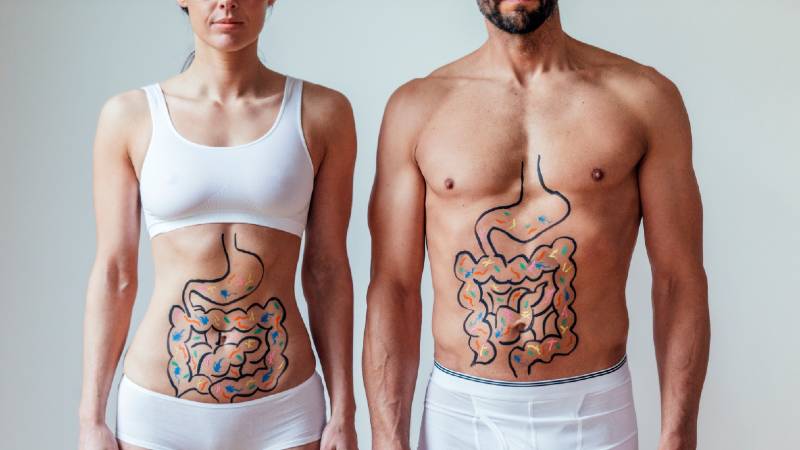
The gut-brain axis is a fascinating link between our stomach and brain that science is now discovering. Trillions of bacteria that live in our digestive tract, sometimes known as our gut microbiome, are at the centre of this interaction.
These microscopic organisms do more than simply help with digestion; they are also very important for controlling mood, dealing with stress, and even healing from trauma, such as post-traumatic stress disorder (PTSD).
The Link Between the Gut and the Brain
How Your Gut Affects Your Brain
The vagus nerve is a big nerve channel that carries information between the brain and the digestive system all the time. Stress can create stomach problems and why having a bad gut can make you anxious or depressed.
The body’s fight-or-flight reaction continues to be active long after the danger has passed when someone has PTSD or has experienced trauma. This long-term stress messes up the microorganisms in your gut, which can cause inflammation, improper digestion, and mood swings.
Studies indicate that patients with PTSD frequently have less diverse gut bacteria, which makes them more likely to feel anxious, depressed, and emotionally unstable.
But here’s the good news: you can get your stomach back in balance, which will help your emotional health. Adding probiotics to your diet is one of the greatest methods to do this.
How Probiotics Help You Heal from Trauma
Probiotics are good bacteria that help your gut get well, and some studies suggest they may also aid with PTSD symptoms.
This is how:
- Probiotics Reduce Inflammation
Chronic stress and trauma can cause systemic inflammation, which has been related to anxiety and depression. Probiotics, particularly strains such as Lactobacillus and Bifidobacterium, mitigate gut inflammation, resulting in enhanced mental clarity and emotional equilibrium. - They Control Cortisol, the hormone that causes stress
People with PTSD generally have high amounts of cortisol, which keeps their bodies in a constant state of stress. Research indicates that specific probiotics can reduce cortisol levels and induce a state of tranquillity, aiding in the reestablishment of the neurological system following trauma. - Probiotics Help Make More Serotonin
The gut makes over 90% of the body’s serotonin, which is the “feel-good” neurotransmitter. A healthy gut flora helps make and control serotonin, which can make you feel better and more emotionally stable. - They Make Sleep Better
People with PTSD often have trouble sleeping or staying asleep, which is connected to poor gut health. Probiotics help bring the gut back into equilibrium, which helps the body make melatonin and encourages deep, restful sleep, which is highly important for recovering from stress.The Best Foods with Probiotics for PTSD Recovery
You don’t need to spend a lot of money on supplements to make your gut healthy. Adding items that are naturally high in probiotics to your diet can help a lot.
Try adding:
- Yoghurt, preferably unsweetened and with live cultures
- Kefir, a fermented milk drink full of probiotics
- Sauerkraut, which is fermented cabbage that is full of beneficial bacteria
- Kimchi, a spicy Korean meal made with fermented vegetables
- Miso, a paste that is high in probiotics and used in soups
- Kombucha, a fermented tea that is good for your gut
- Tempeh, fermented soy that is full of probiotics and protein
Other Ways to Heal Your Gut if You Have PTSD
Probiotics are a great place to start, but to really repair your gut, you need to take a whole-person approach. Here are some more ideas:
- Eat extra fiber. Foods high in prebiotics, such as bananas, garlic, onions, and oats, feed the healthy bacteria in your stomach.
- Cut back on sugar and processed foods. These things feed harmful bacteria and make inflammation worse.
- Take care of stress. Deep breathing, meditation, and yoga are all mindful practices that are good for your gut and brain health.
- Drink enough water. Water is important for fixing and digesting food.
- Get enough rest. Bad sleep harms gut bacteria and makes PTSD symptoms worse.
Healing PTSD from the Inside Out
Trauma isn’t just in the mind; it’s also very much tied to the body, especially the gut. Taking care of our digestive health with probiotics and foods that are good for the gut not only helps with digestion, but it also helps us deal with stress, trauma, and emotional resilience.
If you have PTSD, you might want to start by making tiny modifications to your diet. Your stomach could be the secret to a mind that is calmer, healthier, and more balanced.